
What To Eat During Pregnancy: 7 Foods That You Should Include In Your Diet

What To Eat During Pregnancy: 7 Foods That You Should Include In Your Diet

August 29, 2017 0
What To Eat During Pregnancy: 7 Foods That You Should Include In Your Diet


You may often find yourself in a tough spot when it comes to maintaining a healthy diet. With the easy access to junk food and our super busy lives, it is tough to strike a balance and maintain a healthy diet at all times. Now, imagine sharing the great responsibility for two people instead of one! Maintaining a healthy diet during pregnancy is very crucial. In this special phase, a woman's body needs additional nutrients, vitamins and minerals. Missing out on any key nutrients may negatively affect the baby's development. Poor eating habits during pregnancy may also result in birth complications.

Health Practitioner and Macobiotic Nutritionist Shilpa Arora ND tells us, "It is especially important to load up on nutrients and micro-nutrients during pregnancy like calcium and iron for strength and energy, vitamin D for bone health. Protein from lentils and eggs, and fibre you find in complex grains like ragi, jowar and amaranth, are also required. It is also important to nourish yourself with healthy fats you find in nuts and seeds. Loading up on fruits and a variety of veggies is especially important to derive micro-nutrients. Keep yourself hydrated at all times, be it with water, coconut water, or chaach."
Consultant Nutritionist Dr. Rupali Dutta shares, "Starting with total calories, the first trimester does not require any additional intake and so the RDA of 1900 calories is adequate (for a sedentary woman). From the second trimester, an additional 350 calories are recommended to be consumed. To achieve this goal, intake of nutrient dense foods like whole grains, millets should be promoted. Oils are a concentrated source of energy; additional calories from healthy fats can be included from natural sources like nuts and seeds." Here are some foods that you can include in your pregnancy diet.

1. Lean meat

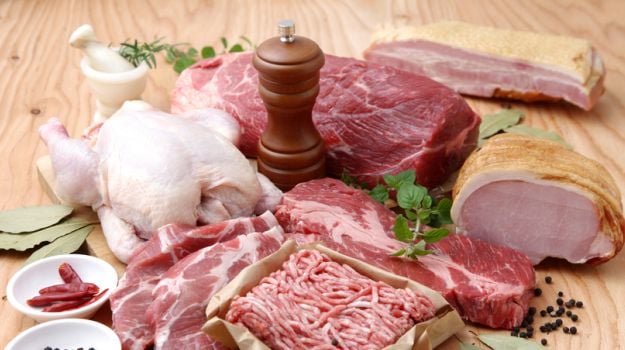
Proteins are often known as the 'builder nutrients'. They are essential for the baby's organ development. Proteins are essential not only for the baby's growth and development, but also for the mother's body requirements and the wear and tear happening within. Low fat meat comprises of good quality protein, other good protein sources include eggs, nuts and milk.

meat
Low fat meat and chicken are good sources of protein

2. Salmon

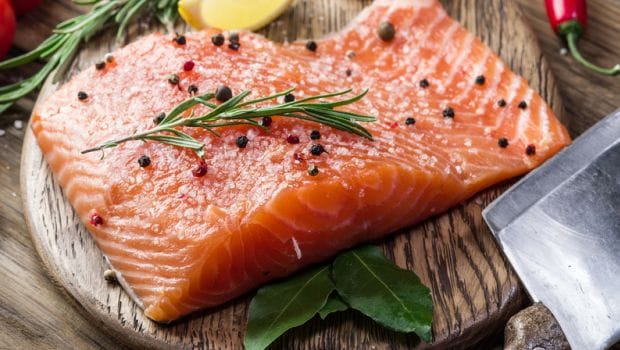
Fish is a good source of protein and calcium. Salmon also contains a decent amount of Omega-3 fatty acids which are good for your baby's brain and eyes along with lots of protein.
 
salmon
Salmon is a powerhouse of nutrients for pregnant women

3. Lentils and legumes

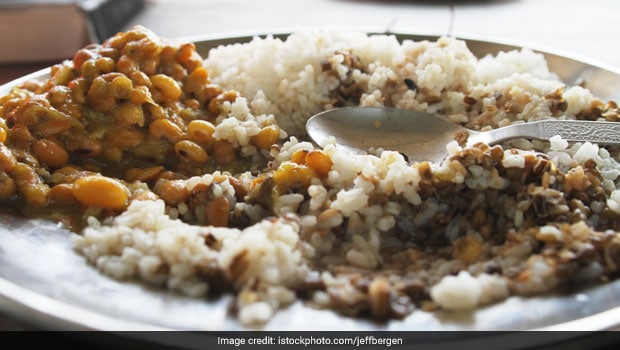
Vegetarians can achieve their protein targets by a combination of lentils like moong, bengal gram, black gram, green gram and red gram which are also rich sources of folic acid. Rajma, soya bean are also good sources of protein.
 
pulses and rice
Lentils and legumes are a good source of protein for pregnant women

4. Amaranth

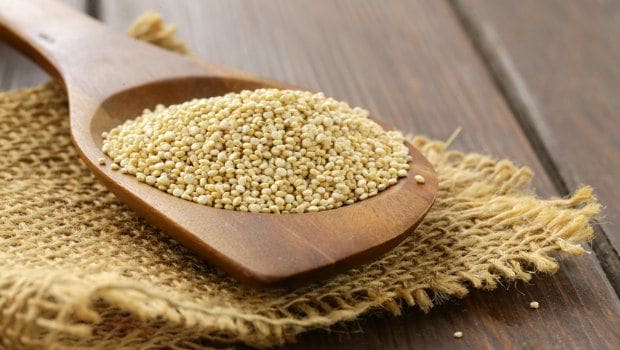
Amaranth is rich in folate and iron. Folate or folic acid is a B-group vitamin essential for the healthy development of the fetus in early stage of pregnancy. It also plays a crucial role in the brain development of the baby and helps support the placenta.
 
amaranth flour
Amaranth is rich in folate and iron

5.Green leafy vegetables

Green vegetables, such as spinach, broccoli, kale and spinach, include fiber, vitamin C, vitamin K, vitamin A, calcium, iron, folate and potassium, which are amongst the most vital nutrients needed by a pregnant women. They are also rich in iron. Both the mother and the child need iron to enable red blood cell formation. .
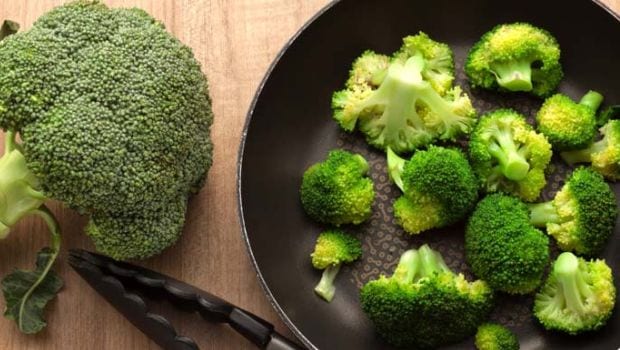
 
broccoli

6. Whole Grains and Flour

Whole-grain breads and cereals are fortified with folic acid, iron and fibre. Opt for whole grain breads, whole wheat pasta or brown rice over their refined counterparts. Ragi, Jowar and Bengal gram flour should be used instead of maida or all-purpose flour.
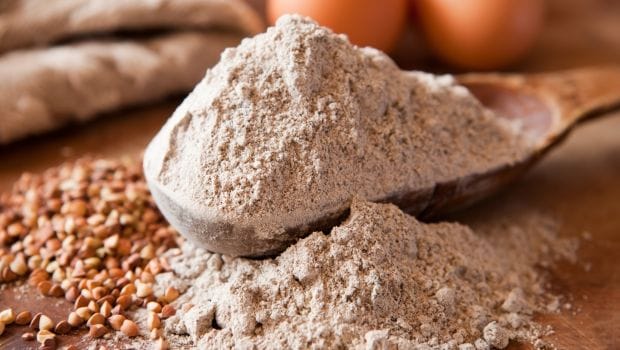
flour


7. Dairy Products  

A calcium-rich diet is highly recommended for expecting mothers. Calcium is essential for maintaining the health of the mother's bones and to ensure proper bone and teeth development of the baby. Milk and milk products are the best sources of bio-available calcium. Low-fat yogurt and paneer are full of good quality calcium and proteins.  Milk is a rich source of calcium and proteins
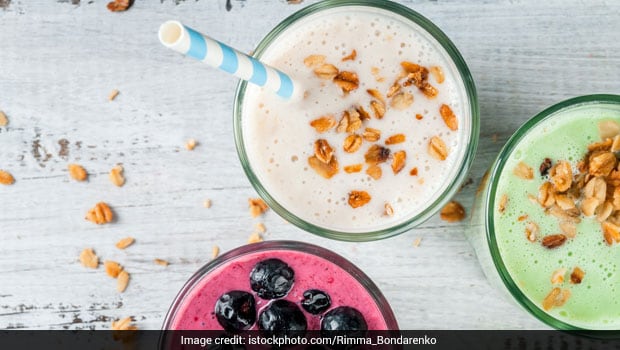
 
milkshakes


The care and nurture of a child begins months before he or she steps into the world. These dietary advises are sure to go a long way to ensure you and your child is getting the best nutrition. 

Vitamin for a healthy heart

August 05, 2017 0

As we all know, vitamins are very important when it comes to keeping your heart healthy.  You need to eat the right foods of course, although you also need to supplement the food you eat with the necessary vitamins your body needs to stay in shape and keep your heart working healthy for a long time to come.  If you don’t consume the right nutrients, you won’t be doing your heart any favors - and may end up having problems later on in life.

The first vitamin that comes to mind for most people is vitamin E, a vitamin that is essential to improving the overall health of your heart.  When taken correctly, vitamin E will stop the cholesterol in the body from harming the arteries that surround the heart.  Anytime cholesterol oxidizes, it sticks to the sides of the arteries and can lead to blockages which can cause heart attacks or other serious problems with the heart. 

To help you keep your heart healthy, most doctors recommend that you take additional supplements that contain vitamin E.  They may also suggest that you eat foods that are naturally rich in vitamin E, such as nuts.  Nuts have high amounts of vitamin E, and most of them taste great.  You can find other foods that contain vitamin E as well, although nuts have the highest amounts.

In the past, research has shown Vitamin E to help those who have already suffered the wrath of a heart attack.  This vitamin helps to prevent heart attacks in the future by opening up the arteries and eliminate blockage.  Those who have had a heart attack in the past are always encouraged to add more vitamin E to their diet.

What many aren’t aware of, is the fact that you can use vitamin C to boost the effects of vitamin E.  Vitamin C is known as an antioxidant, which prevents the damaging effects that cholesterol has on the body.  Along with preventing cholesterol from damaging the body, vitamin C also helps vitamin E with it’s functions - such as protecting your arteries and your heart.

By taking both vitamin C and E as a combination, you’ll be well on your way to a healthier heart.  Overall, this is the easiest way that you can be sure you aren’t damaging your heart, especially if you have had a heart attack in the past.  If you have a history of heart disease or heart problems in your family, these vitamins are essential to your diet.  Even if you are just concerned about the health of your heart, these vitamins will give you the peace of mind in knowing that you are eating for a healthy heart.

As far as your dosage goes, it will vary from person to person, although 400 international units of vitamin E and C are the recommended amounts for most people.  On it’s own, vitamin C can be tolerated in large doses, without imposing any harmful effects.  You can take around 500 mg of it twice a day, and ensure that your heart remains healthy.

To be on the safe side, you should always make sure that you get the proper amount of vitamins in your daily diet.  Taking additional vitamins and supplements isn’t a bad idea either, especially if you are trying to boost the health of your heart.  Your heart is one of the most important organs in your body, which is why you should always take care of it.  If you eat the proper diet and take the necessary vitamins - you’ll be well on your way to keeping your heart healthy.

Coffee May Help You Live Longer

August 05, 2017 0

Today we have more good news for all our coffee drinkers around the world. Another new study finds that drinking coffee can help you live longer. Wow!!!
Researchers at the Harvard School of Public Health recently discovered that drinking between three and five cups of coffee a day may prevent certain illnesses. They found that coffee can protect against heart disease, brain diseases, type 2 diabetes and suicide.
Walter Willett is a nutrition researcher at Harvard and co-author of the study. Willet says the findings extend to both caffeinated and decaffeinated coffee – or decaf, as Americans often call it.
So, the health benefits come not just from the caffeine in coffee, but from the compounds in the beans.
Study methods
The large study of about 200,000 subjects included data from three ongoing studies. Subjects in the study had to answer questions about their coffee drinking habits every four years over a 30-year period.
Researchers found that moderate coffee drinking was linked with a reduced risk of death from many diseases. These diseases include cardiovascular disease, diabetes, neurological diseases such as Parkinson’s, and suicide.However, the researchers found no link between coffee drinking and cancer.
Researchers also considered other habits such as smoking, obesity, and how active the subjects were. They also looked at what kinds of food the subjects ate, as well as how much alcohol — and what type of alcohol — they drank.
They published their findings in the journal Circulation.
All things in moderation
This Harvard research adds to a growing body of evidence. This body of evidence finds drinking a moderate of coffee may have many health benefits, including a longer life. This is according to one of the researchers involved in the study.
Frank Hu is senior author of the study. He is also a professor of nutrition and epidemiology. He studies how food affects illness.
Hu adds that data from the study support the 2015 Dietary Guidelines Advisory Report. This report found that drinking a moderate amount of coffee can be part of a healthy diet.
But how much and when you drink coffee is important.
You may remember another study we reported on recently. That study said drinking coffee too late in the evening can disrupt your sleep.
Questions
Not everyone feels the recent Harvard study confirms anything.
The news organization NPR spoke with one expert who warns that not everyone reacts to coffee the same way. Andrew Maynard of Arizona State University told NPR that the health benefits documented in this new study are “small.”
Maynard says the study does not prove cause and effect between drinking coffee and living longer. He says the study points to an association, or link, between drinking coffee and living longer.
Even those involved in the research still have questions.
When NPR spoke with study co-author Walter Willett, he said he is not sure how coffee is linked to certain health benefits.
Willett says the take-home message – in other words, the important thing to learn – is that if you like coffee, do not feel guilty about drinking it in moderation. If you don’t like coffee, don’t feel you have to start drinking it to be healthy.